AI in Digital Marketing: How Businesses Are Increasing ROI with Smart Automation in 2026
Introduction
Digital marketing in 2026 is no longer driven by manual campaign management, guesswork, or basic automation tools. Instead, it is powered by artificial intelligence systems that learn, adapt, and optimize campaigns in real time.
Businesses today are under constant pressure to reduce ad costs, increase conversions, and deliver personalized experiences across multiple platforms. Traditional marketing strategies struggle to keep up with the speed and complexity of modern consumer behavior.
This is where AI in digital marketing is creating a major shift.
From predictive analytics and automated ad optimization to AI-generated content and customer segmentation, AI is helping businesses increase ROI (Return on Investment) like never before.
What Is AI in Digital Marketing?
AI in digital marketing refers to the use of artificial intelligence technologies to automate, analyze, and improve marketing activities.
Instead of relying on manual decision-making, AI systems use data-driven insights to:
-
Understand customer behavior
-
Predict buying intent
-
Automate campaign optimization
-
Personalize messaging
-
Improve targeting accuracy
AI systems continuously learn from user interactions, making marketing smarter over time.
Why AI Is Transforming Digital Marketing in 2026
The digital landscape has changed dramatically. Consumers are exposed to thousands of ads daily across Google, Facebook, Instagram, TikTok, email, and websites.
This creates three major challenges for businesses:
1. Rising Advertising Costs
Paid ads are becoming more expensive due to increased competition.
2. Decreasing Attention Span
Users scroll faster and engage less with irrelevant content.
3. Data Overload
Businesses collect massive amounts of data but struggle to use it effectively.
AI solves all three problems by optimizing campaigns automatically and making data actionable.
How AI Improves ROI in Digital Marketing
Return on Investment (ROI) is the most important metric in marketing. AI improves ROI in several powerful ways.
1. AI-Powered Audience Targeting
AI analyzes user behavior, interests, and online activity to identify the most valuable audiences.
Instead of broad targeting, AI enables:
-
Micro-segmentation
-
Behavioral targeting
-
Intent-based targeting
-
Lookalike audience modeling
This ensures ads are shown only to users most likely to convert, reducing wasted ad spend.
2. Predictive Analytics for Better Decision-Making
AI can predict future customer actions based on historical data.
For example, AI can identify:
-
Which users are likely to buy
-
When a customer will churn
-
Which leads are high value
-
Which campaigns will perform best
This allows marketers to focus resources on high-impact opportunities.
3. Automated Campaign Optimization
Instead of manually adjusting ads, AI tools automatically optimize:
-
Budget allocation
-
Ad placement
-
Bidding strategies
-
Audience targeting
-
Creative performance
This ensures campaigns are always performing at their highest efficiency.
4. Personalized Marketing at Scale
Personalization is one of the strongest drivers of conversions.
AI enables businesses to deliver personalized experiences such as:
-
Customized email content
-
Product recommendations
-
Dynamic landing pages
-
Personalized SMS campaigns
Each user receives messaging tailored specifically to their behavior and preferences.
5. AI-Generated Content Creation
Content marketing is essential, but time-consuming.
AI tools can now generate:
-
Blog articles
-
Social media posts
-
Ad copies
-
Email campaigns
-
Product descriptions
This reduces content production time while maintaining consistency across channels.
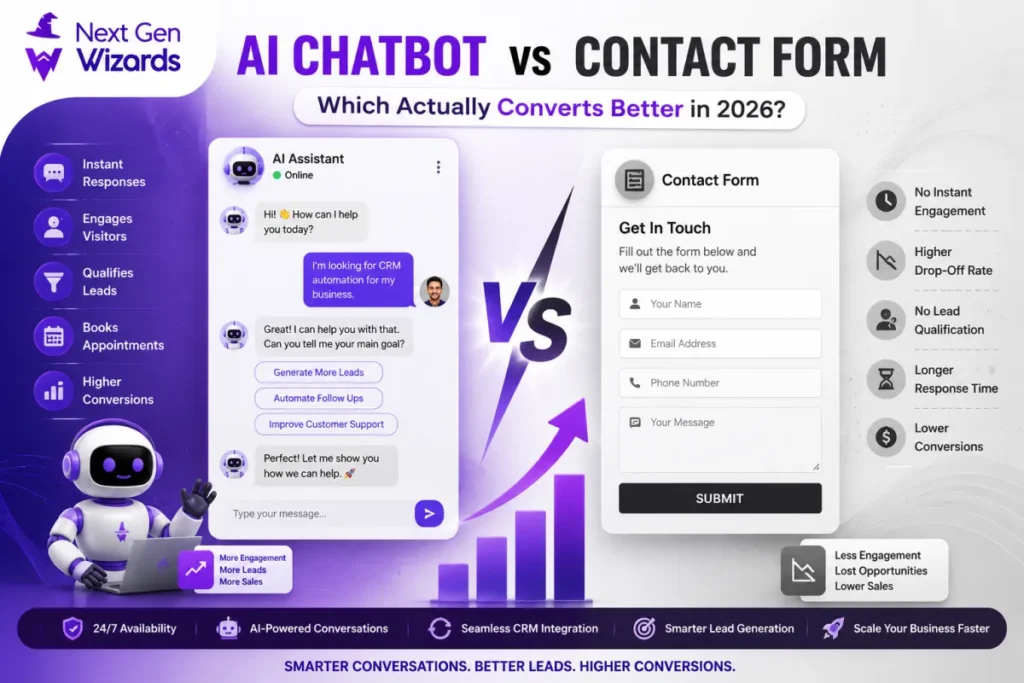
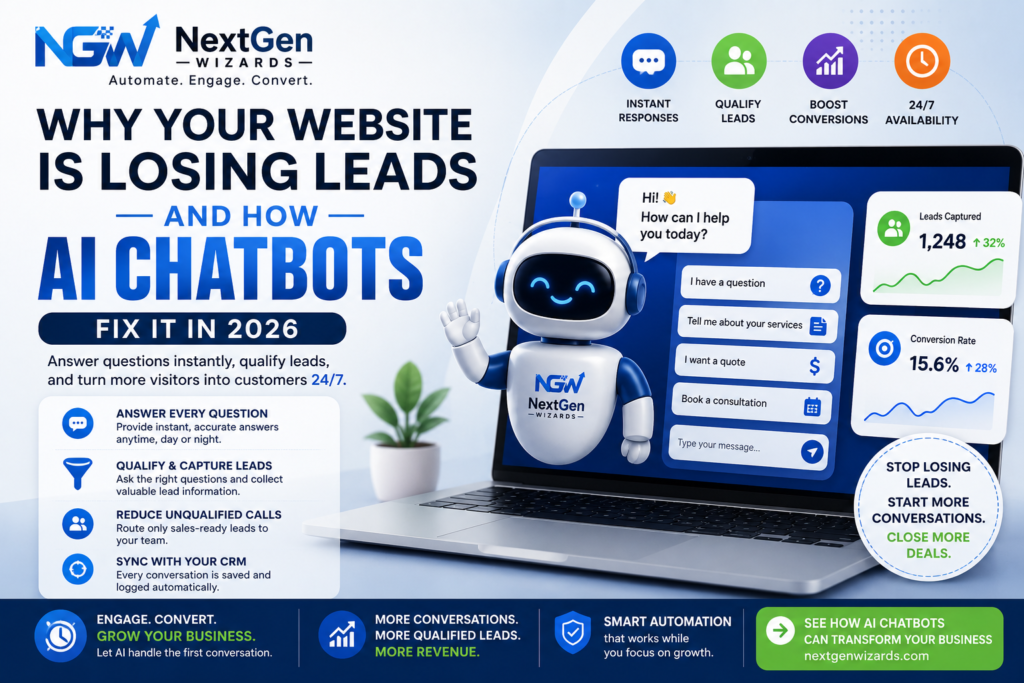
6. Chatbots and Conversational Marketing
AI chatbots engage users instantly on websites, landing pages, and social media platforms.
They help:
-
Answer customer questions
-
Capture leads
-
Qualify prospects
-
Book appointments
-
Provide support
Instant interaction significantly increases conversion rates.
Key AI Tools Used in Digital Marketing
Modern marketers rely on several AI-powered tools to improve performance.
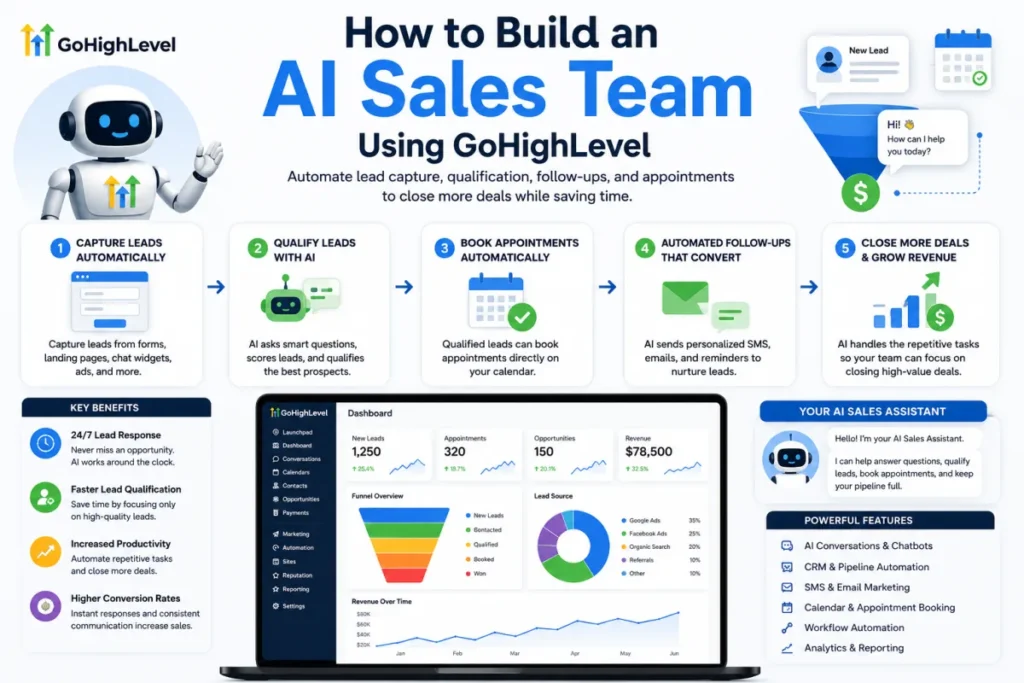
1. AI CRM Systems
Platforms like GoHighLevel use AI to:
-
Track leads
-
Automate follow-ups
-
Manage pipelines
-
Segment customers
2. AI Advertising Platforms
Google Ads and Meta Ads now use AI to:
-
Optimize bidding
-
Improve ad placement
-
Predict conversions
3. AI Content Tools
Tools like AI writers and design generators help create marketing assets quickly.
4. AI Analytics Platforms
These tools analyze performance data and provide actionable insights.
Real-World Applications of AI in Marketing
E-commerce Businesses
-
Product recommendations
-
Abandoned cart recovery
-
Personalized discounts
Real Estate Agencies
-
Lead automation
-
Property matching
-
Follow-up sequences
Healthcare Clinics
-
Appointment reminders
-
Patient engagement
-
Automated communication
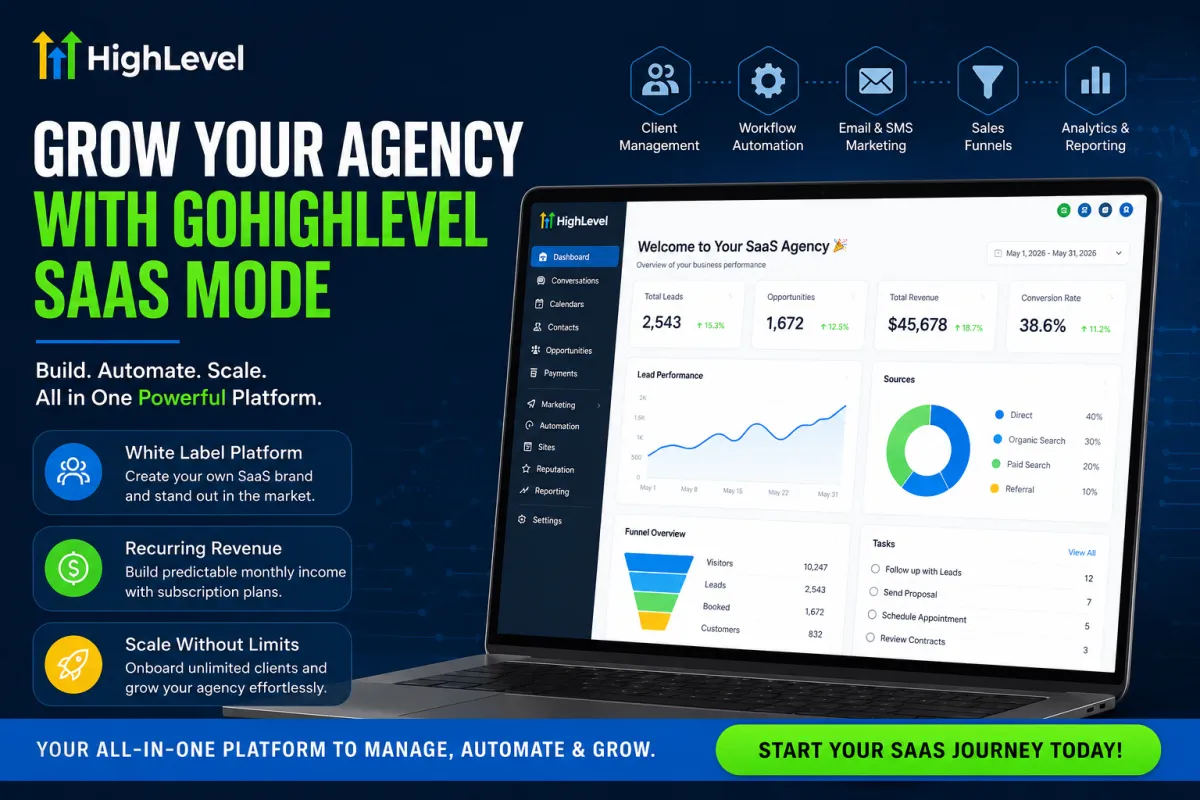
Marketing Agencies
-
Campaign automation
-
Reporting dashboards
-
Lead generation systems
Benefits of AI in Digital Marketing
1. Higher Conversion Rates
Better targeting and personalization lead to more sales.
2. Lower Advertising Costs
AI reduces wasted spend by optimizing campaigns.
3. Faster Decision-Making
Real-time insights help marketers act quickly.
4. Improved Customer Experience
Customers receive faster and more relevant communication.
5. Scalable Marketing Operations
Businesses can handle larger campaigns without increasing staff.
Challenges of Using AI in Marketing
While AI is powerful, it also comes with challenges.
1. Learning Curve
Teams need time to understand AI tools and systems.
2. Data Privacy Concerns
Businesses must handle customer data responsibly.
3. Over-Automation Risk
Too much automation can make communication feel less human.
4. Tool Integration Issues
Not all AI tools integrate smoothly with existing systems.
Future Trends of AI in Digital Marketing
AI is evolving rapidly, and the future of marketing will include:
1. Fully Automated Marketing Systems
Entire campaigns will run with minimal human input.
2. Hyper-Personalization
Every customer will receive unique marketing experiences.
3. Voice and Visual Search Optimization
AI will optimize content for voice assistants and image-based search.
4. AI Marketing Agents
Autonomous AI systems will manage campaigns independently.
5. Predictive Customer Journeys
AI will map entire customer journeys before users even act.
How Businesses Can Start Using AI Today
Businesses don’t need advanced technical knowledge to start using AI marketing.
Step 1: Start with Automation
Begin with email, SMS, or chatbot automation.
Step 2: Use an AI CRM
Adopt platforms that integrate marketing and sales automation.
Step 3: Optimize Ads with AI Tools
Use AI-based ad platforms for better targeting.
Step 4: Focus on Data Collection
The more data you collect, the smarter AI becomes.