Why Businesses Are Rapidly Investing in AI-Powered Marketing Automation in 2026
In 2026, the business world is becoming increasingly competitive, digital, and customer-focused. Companies are constantly searching for smarter ways to improve efficiency, generate more leads, increase sales, and build stronger customer relationships. Traditional marketing methods that once relied heavily on manual work are no longer capable of meeting modern business demands. As a result, businesses of all sizes are now investing heavily in AI-powered marketing automation platforms to streamline operations and accelerate growth.
Marketing automation combines artificial intelligence, customer relationship management (CRM), automated communication systems, and advanced analytics to help businesses manage marketing and sales activities more effectively. These platforms automate repetitive tasks, improve customer engagement, and create personalized experiences that help businesses stay ahead of the competition.
The Growing Demand for Marketing Automation
Consumer expectations have changed dramatically over the past few years. Customers now expect instant responses, personalized communication, fast support, and seamless online experiences across websites, social media platforms, emails, and messaging apps.
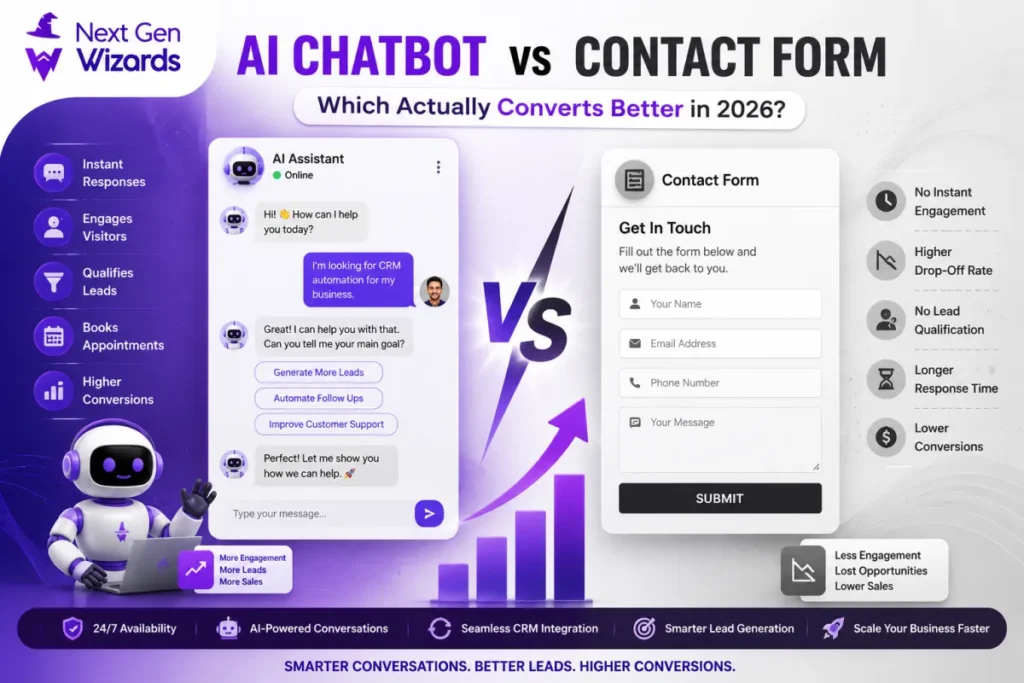
Businesses that fail to provide quick and efficient communication often lose potential customers to competitors. This growing demand for speed and personalization is one of the primary reasons companies are adopting AI-powered automation systems.
Marketing automation allows businesses to:
-
Capture leads automatically
-
Respond instantly to customer inquiries
-
Schedule appointments
-
Send personalized follow-up messages
-
Track customer activity
-
Automate sales pipelines
-
Analyze customer behavior
These systems help businesses operate more efficiently while improving customer satisfaction and overall marketing performance.
Improved Efficiency Through Automation
One of the biggest benefits of AI-powered marketing automation is increased operational efficiency. Many businesses spend countless hours performing repetitive tasks such as sending emails, organizing leads, updating customer information, and following up with prospects.
Automation platforms eliminate much of this manual workload by handling repetitive processes automatically. This allows business owners and teams to focus more on strategy, growth, and customer relationships instead of administrative tasks.
For example, automated workflows can:
-
Send welcome emails to new leads
-
Trigger follow-up messages after inquiries
-
Schedule reminders for appointments
-
Organize leads based on behavior
-
Automatically assign tasks to sales teams
This level of automation not only saves time but also reduces human error and improves consistency across marketing campaigns.
Better Lead Generation and Lead Management
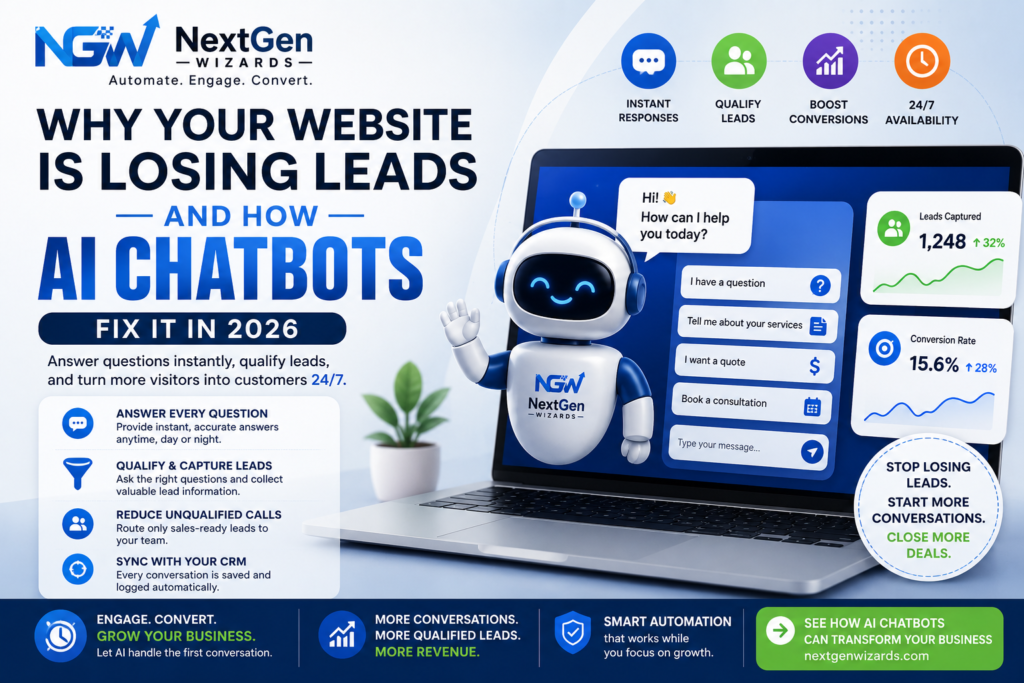
Lead generation remains one of the biggest challenges for businesses in nearly every industry. Many companies struggle with converting website visitors into paying customers because they lack proper follow-up systems.
AI-powered CRM and automation tools help businesses manage leads more effectively by tracking customer behavior and engagement. These systems can monitor actions such as:
-
Website visits
-
Form submissions
-
Email opens
-
Click activity
-
Appointment requests
-
Purchase behavior
Using this data, businesses can automatically segment leads and deliver highly targeted communication based on customer interests and behaviors.
For example:
-
A lead who downloads a service guide may receive educational follow-up emails
-
A customer requesting pricing information may receive automated sales offers
-
Missed leads can be automatically re-engaged through reminders and promotions
This personalized approach significantly improves conversion rates and customer engagement.
Personalized Customer Experiences
Modern customers expect personalized interactions from businesses. Generic marketing messages are becoming less effective because consumers prefer brands that understand their preferences and needs.
AI-powered marketing automation helps businesses create personalized customer experiences at scale. Automated systems can send customized:
-
Emails
-
SMS campaigns
-
Promotional offers
-
Appointment reminders
-
Follow-up sequences
-
Customer surveys
These messages can be tailored based on:
-
Customer interests
-
Purchase history
-
Website activity
-
Geographic location
-
Previous interactions
Personalization improves customer trust, strengthens relationships, and increases the likelihood of repeat business.
Faster Communication and Instant Responses
Speed has become one of the most important factors in customer satisfaction. Studies consistently show that businesses responding quickly to inquiries are more likely to convert leads into customers.
AI-powered chatbots and automation systems provide instant responses 24/7, even outside business hours. This ensures potential customers always receive immediate attention instead of waiting for manual replies.
Automated communication tools can:
-
Answer common questions
-
Schedule appointments
-
Collect customer information
-
Provide pricing details
-
Route inquiries to appropriate departments
This level of responsiveness improves customer experience while helping businesses capture more opportunities.
Enhanced Sales Pipeline Management
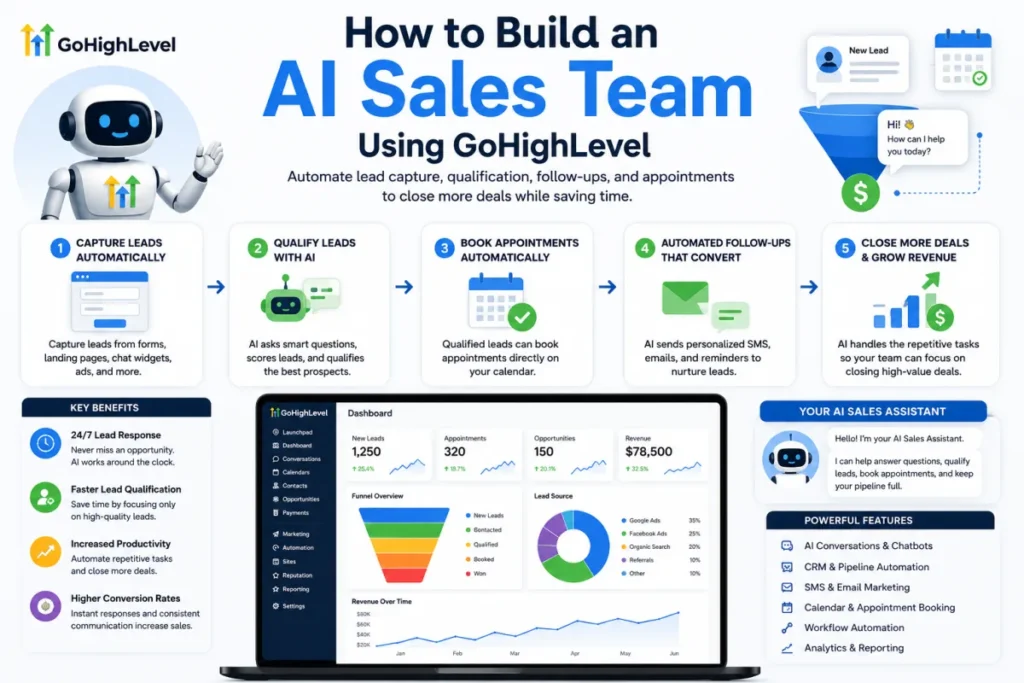
Managing a sales pipeline manually becomes increasingly difficult as businesses grow. Marketing automation platforms simplify pipeline management by organizing leads, tracking communication, and monitoring sales progress in real time.
Businesses can:
-
Track customer journeys
-
Monitor sales performance
-
Identify high-converting leads
-
Automate deal follow-ups
-
Set reminders for sales teams
This improves sales productivity while helping teams focus on high-value opportunities.
Data-Driven Decision Making
Modern businesses rely heavily on analytics to improve marketing performance. AI-powered automation platforms provide detailed insights into campaign performance, customer engagement, and lead behavior.
These analytics help businesses understand:
-
Which campaigns generate the most leads
-
Which channels drive conversions
-
Customer engagement patterns
-
Sales performance trends
-
ROI from marketing efforts
Data-driven decision-making allows businesses to optimize campaigns and allocate resources more effectively.
Scalability for Growing Businesses
As businesses grow, managing customer communication manually becomes nearly impossible. AI-powered automation platforms allow companies to scale operations without significantly increasing staffing costs.
Whether a business handles 100 leads or 10,000 leads, automation systems can manage communication consistently and efficiently.
This scalability is especially valuable for:
-
Agencies
-
E-commerce businesses
-
Service providers
-
Real estate companies
-
Healthcare practices
-
Coaching businesses
Automation allows businesses to grow faster while maintaining customer satisfaction and operational efficiency.
Competitive Advantage in 2026
Businesses adopting automation technologies are gaining a major competitive advantage in today’s market. Companies using AI-driven systems can:
-
Respond faster
-
Deliver better customer experiences
-
Improve marketing performance
-
Increase conversion rates
-
Reduce operational costs
Meanwhile, businesses relying solely on manual systems often struggle with slow communication, inconsistent follow-ups, and missed opportunities.
As digital competition continues to increase, AI-powered marketing automation is becoming a critical requirement rather than an optional tool.
The Future of Business Automation
The future of marketing and customer management will continue to be shaped by artificial intelligence and automation technologies. Businesses are moving toward fully integrated systems that combine:
-
CRM platforms
-
AI chatbots
-
Automated workflows
-
Multi-channel marketing
-
Customer analytics
-
Appointment booking systems
These technologies are helping businesses create smarter, faster, and more personalized customer experiences.
Companies investing in automation today are positioning themselves for long-term growth, improved efficiency, and stronger market competitiveness in the future.